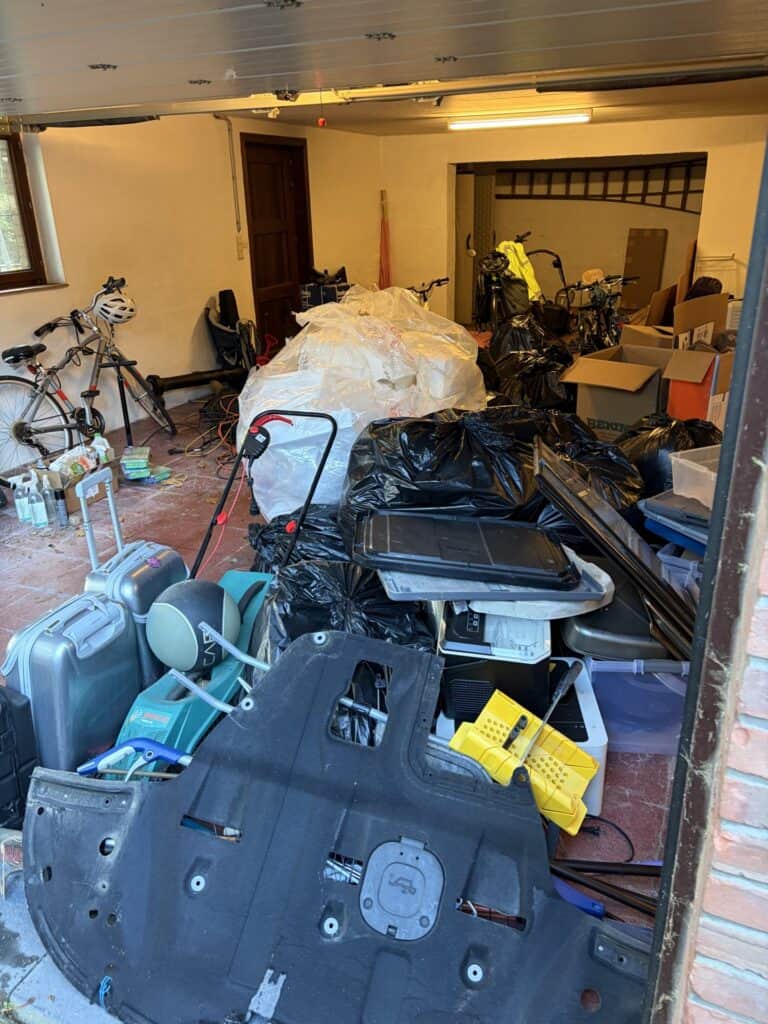
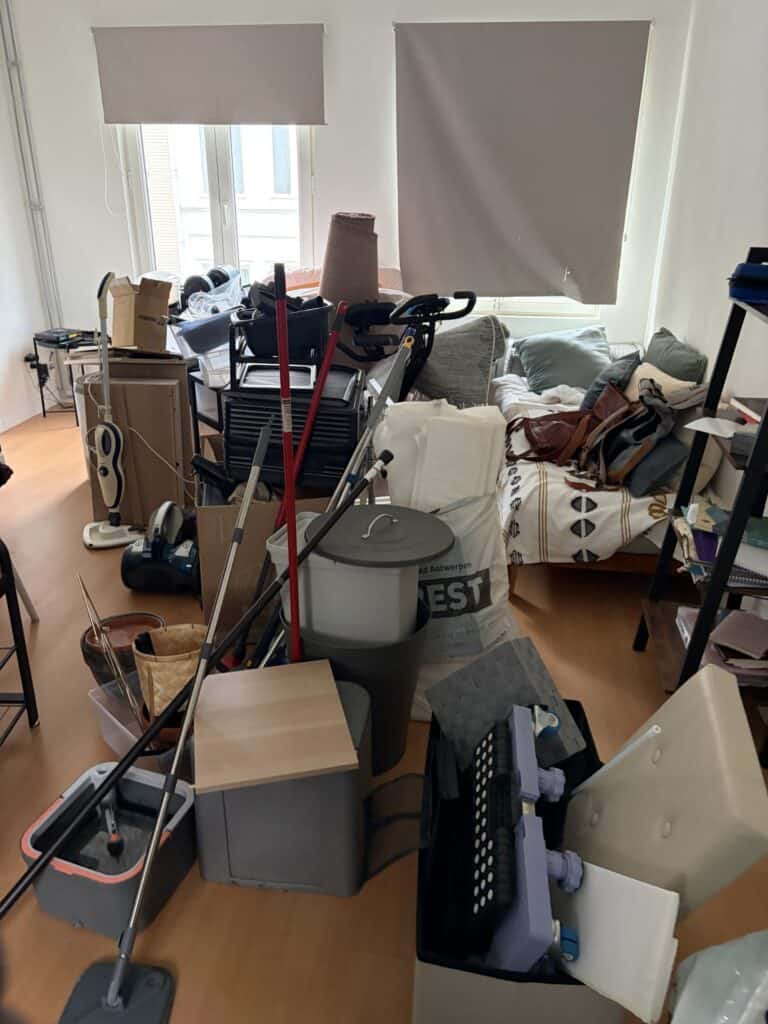
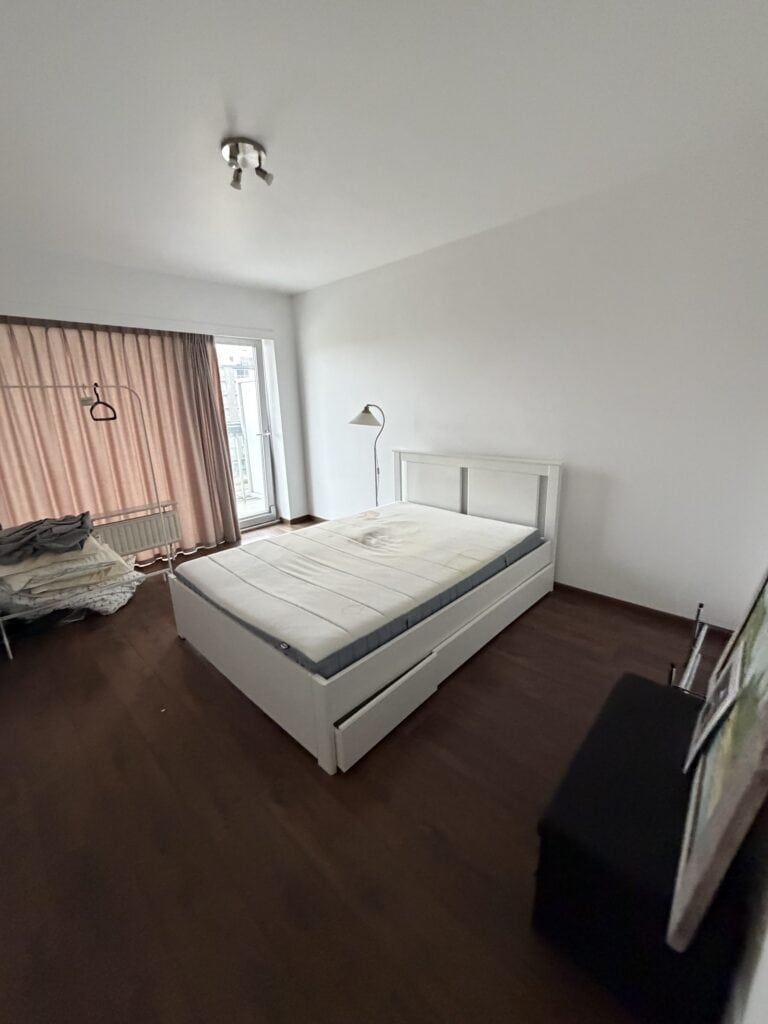
The Flemish government plans to increase the registration tax on a primary residence from 2% to 3% effective January 1, 2027. For a home priced at €350,000, the buyer will then pay €3,500 more. As a result, many buyers want to sign a preliminary sales agreement before the end of this year. For you as the seller, this means that the closing and key handover will take place in the first few months of 2027, and the home must be vacated by then.
In this article, you'll learn what's changing, what the deadline is, and how to plan the move without running out of time.
In short: The date of the preliminary agreement is what counts. A preliminary agreement signed before January 1, 2027, may still qualify for the 2% rate, even if the deed is not executed until later. As a result, many deeds will be executed between January and the end of April 2027. Are you selling now? If so, make sure to set the move-out date as soon as the preliminary agreement is signed.
1. What's changing?
Since 2025, anyone buying their first home has been paying a 2% registration fee (officially known as the sales tax). In the September Statement of 2026, the Flemish government announced that this rate would return to 3% as of January 1, 2027. The difference is 1% of the purchase price:
- Home priced at €250,000: €2,500 extra
- Home priced at €350,000: €3,500 extra
- Home priced at €450,000: €4,500 extra
The conditions for the reduced rate remain the same. You can find them at the Flemish Tax Administration.
Please note: This is still a proposed measure. The Flemish Parliament has yet to approve the decree, and the rules are still subject to change. Always check with your notary.
2. Which date counts: the preliminary agreement or the deed?
According to the Flemish Tax Authority, the date of the sales agreement—the preliminary agreement—is what counts. A preliminary agreement signed before January 1, 2027, is still eligible for the 2% rate, even if the deed of sale isn’t executed until 2027. Two things to keep in mind:
- A cross-option is not a compromise. If you sign a mutual promise to buy and sell, the date of the deed is what counts.
- You must be able to prove the date. The notary will state in the deed that the preliminary agreement was signed before January 1, 2027. The Tax Authority may request proof, such as a down payment or a signed loan application. For deeds executed after April 30, 2027, the Tax Authority will always request such proof.
You can read the full statement at vlaanderen.be.
3. What does that mean for you as a salesperson?
The buyer pays the registration fees. For you, the main change is the timing. Buyers have a clear reason this year not to wait too long, and that can speed up your sale. But it also means that many deeds will be executed during the same period: between January and the end of April 2027.
On the day the deed is signed, the buyer usually receives the keys. The home must be vacant by then, unless you agreed otherwise in the preliminary agreement. The deed is usually signed within four months of the preliminary agreement, sometimes as early as a few weeks later. If you sign in December, you might be at the notary’s office as early as February. If you’re still living there yourself, or if your parents’ home is still full of their belongings, that doesn’t leave much time.
4. Plan backward from the deed
- Immediately after the compromise: Ask the notary for a tentative date for the deed. Check the preliminary sales agreement to see what can stay—such as the kitchen or individual pieces of furniture that the buyer is taking—and what needs to be removed.
- That same week: Request a quote for the move-out and set a date so you can be sure to have a place to live before the deed is signed.
- 4 to 6 weeks before the deed: Let the family decide what they want to keep, sell or donate whatever is still in good condition, and make an appointment with the Kringwinkel.
- 1 to 2 weeks before the deed: The move itself, including the basement, attic, garage, and yard. Afterward, you may want to schedule a final cleaning.
- The last few days: Double-check everything, take photos of the empty rooms, write down the meter readings, and gather all the keys.
We usually clear out an entire home in a single day. Sorting through and deciding what to keep beforehand often takes longer than the actual cleanup.
You can read about exactly what needs to go and what can stay in our article House sold: What needs to be taken out before the keys are handed over? Is your home not yet listed for sale? If so, here's how to Preparing Your Home for Sale.

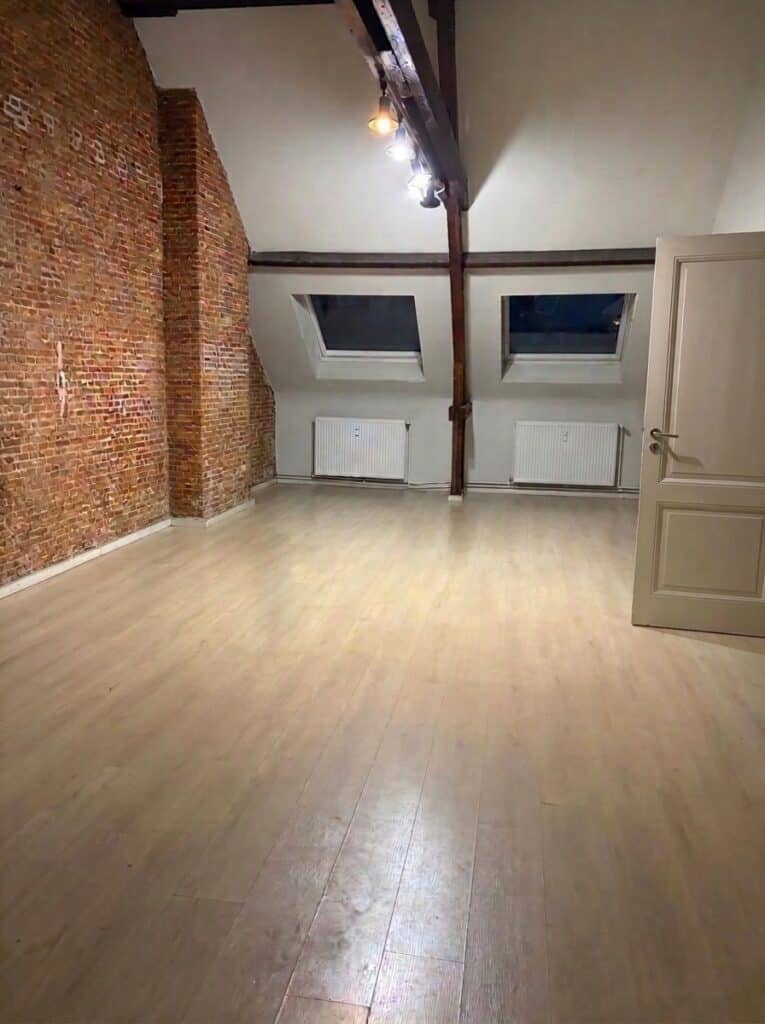
Before and after: an attic on the third floor in Antwerp, with no elevator.
5. Are you selling your parents' home?
Many homes currently being sold are part of an estate. In such cases, all heirs must agree on the sale and on what will happen to the household goods. Make sure to settle these matters in a timely manner, preferably before the preliminary sales agreement is signed.
Not sure yet whether everyone will accept the inheritance? If so, don’t take anything or sell anything until you’ve spoken with the notary. Read more about this in our article on A Rejected Inheritance. To find out how much it costs to clear out a home after a death, read How much does it cost to clear out a house after a death?
Do you live far away? We can work with a key provided by the real estate agent, the notary, or a family member.
6. Are you buying a home that still has belongings inside?
As a buyer, it’s best to take care of this before you sign. Include a clause in the preliminary sales agreement stating that the home will be delivered empty and swept clean, or agree on which pieces of furniture will remain. Are you buying a home with furnishings and want to have them removed yourself? If so, ask for a quote in advance so you know what to expect.
7. For real estate agents and notaries
Are you handling a lot of property transfers this spring? If so, it’s helpful to have one trusted cleanup company for clients who can’t handle it themselves. We use a key if no one can be on-site, and we’ll send before-and-after photos upon request. Read how a partnership with a professional cleaning company works.
Frequently Asked Questions
As a seller, do I have to pay more, too?
No. The buyer pays the registration fees. For you, the main change is in your schedule, because many buyers want to sign the contract before the end of the year.
Will the 2% still apply if the deed is executed in 2027?
According to the Flemish Tax Authority, yes—provided the preliminary sales agreement was signed before January 1, 2027, and you can prove it. This is still a proposed regulation, so check with your notary.
How quickly can you clear out a home?
We usually schedule appointments within 2 to 5 business days. If you need us sooner, we’ll be there within 48 hours—often within 24 hours. We charge a 30% rush fee for this service.
How much does it cost to clear out a home?
That depends on the amount listed. As a general guide: a studio starts at €300, a two-bedroom home starts at €600, and a townhouse starts at €800, excluding VAT. You can find more information at house clearance and on the prices page, or send photos for a fixed price.
Sold or almost sold? Schedule your move-out now
- Fixed price upfront, based on photos or an in-person visit
- An entire home is usually cleared out in a single day
- The basement, the attic, the garage, and the yard as well
- Final cleaning is available through our regular cleaning partner, billed on a single invoice
Or give us a call at +32 469 63 55 62.