After a parent passes away, it sometimes turns out that there are more debts than assets. In such cases, many children choose to renounce the inheritance. But what about the photos, your mother’s jewelry, or your father’s watch? Can you still take those with you? And who will clear out the house?
In this article, you'll learn what the rules are—before and after disposal—and what happens to the items.
In short: Do not take anything from the home until you have made a decision. Anyone who clears out the home or takes items with them may thereby be deemed to have tacitly accepted the inheritance, including any debts. Once you’ve renounced the inheritance, you’re no longer entitled to anything from the estate—not even photographs. If you’d like a keepsake, ask the person who is accepting the inheritance, and always consult with the notary first.
1. Please note: Taking items with you may be considered acceptance
You can accept an inheritance by expressly stating so, but also tacitly: by doing something that only an heir is permitted to do. According to notaris.be Clearing out the deceased’s home is considered tacit acceptance. The same applies to withdrawing money from the deceased’s bank account or using it to pay the deceased’s outstanding bills.
If you accept the inheritance—even without realizing it—you also inherit the debts.
What is permitted: actions taken solely to preserve the property, ensure its safety, or manage it for the time being. For example, locking the house securely. Under the law, such actions do not constitute acceptance of the inheritance as long as you do not act as an heir.
2. How about some photos or a keepsake before you make up your mind?
The law makes no exception for items with sentimental value, such as photos, letters, or small mementos. So taking something like that with you could also be risky. Not sure? Check with the notary first before removing anything from the home.
3. How do you renounce an inheritance?
- Only through a notary: Since 2017, this can no longer be done at the court clerk's office. The notary draws up a deed and registers it in the central probate registry.
- Costs: Free of charge if you declare on your honor that the net value of the estate does not exceed €6,664.95 (amount effective as of August 1, 2026). If the estate is worth more than that, the costs will depend on the specifics of the case.
- Term: There is no short deadline. However, creditors can force you to make a choice 3 months and 40 days after the death.
- Keep an eye on your children: If you renounce your share, it will go to your own children. If they are minors and also wish to renounce their share, the justice of the peace must approve it.
Are you unsure about the debts? In that case, you can also accept the inheritance subject to an inventory of the estate. This means you’ll pay the debts only with the assets in the estate, not with your own money. This process is also handled through a notary.
4. After the rejection: Can you still take something with you?
No. According to the law, anyone who renounces an inheritance is deemed never to have been an heir. Notaris.be It literally states: It is therefore not possible to claim personal items, such as photographs, from the estate.
Would you still like a keepsake? If so, you can ask the family members who are accepting the inheritance. What they inherit belongs to them, and they can give it to you.
5. What happens to the items?
- Another family member agrees: The belongings will go to the next heirs, such as your children or siblings.
- Everyone rejects: In that case, it is an unadministered estate. At the request of an interested party, such as a creditor, or the public prosecutor’s office, the family court appoints an administrator. The administrator draws up an inventory, sells any assets of value, and uses the proceeds to pay off the debts.
6. What about your parents' rental home?
Did your father or mother rent a property, and was the lease signed on or after January 1, 2019? If so, under the Flemish Residential Lease Decree, the lease automatically ends at the end of the second month following the death of the last tenant. The landlord will then receive compensation equal to one month’s rent.
If the property has not been vacated by that time, the landlord may ask the justice of the peace to appoint a trustee. The trustee may sell the household goods after 30 days. Different rules apply to older lease agreements: consult a notary or the landlord for advice.
7. Who is responsible for clearing out the home, and who pays?
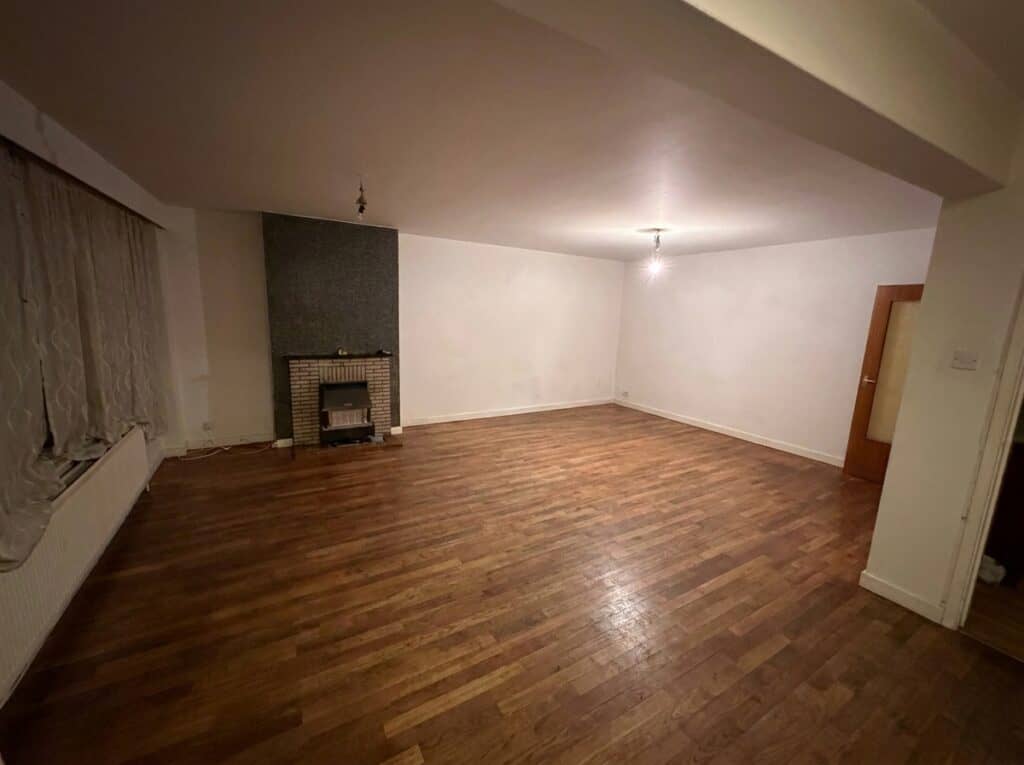
If you have renounced your inheritance, you are not required to clear out the home as an heir. That is the responsibility of the heirs who accept the inheritance, or the estate administrator. The costs are then paid from the estate.
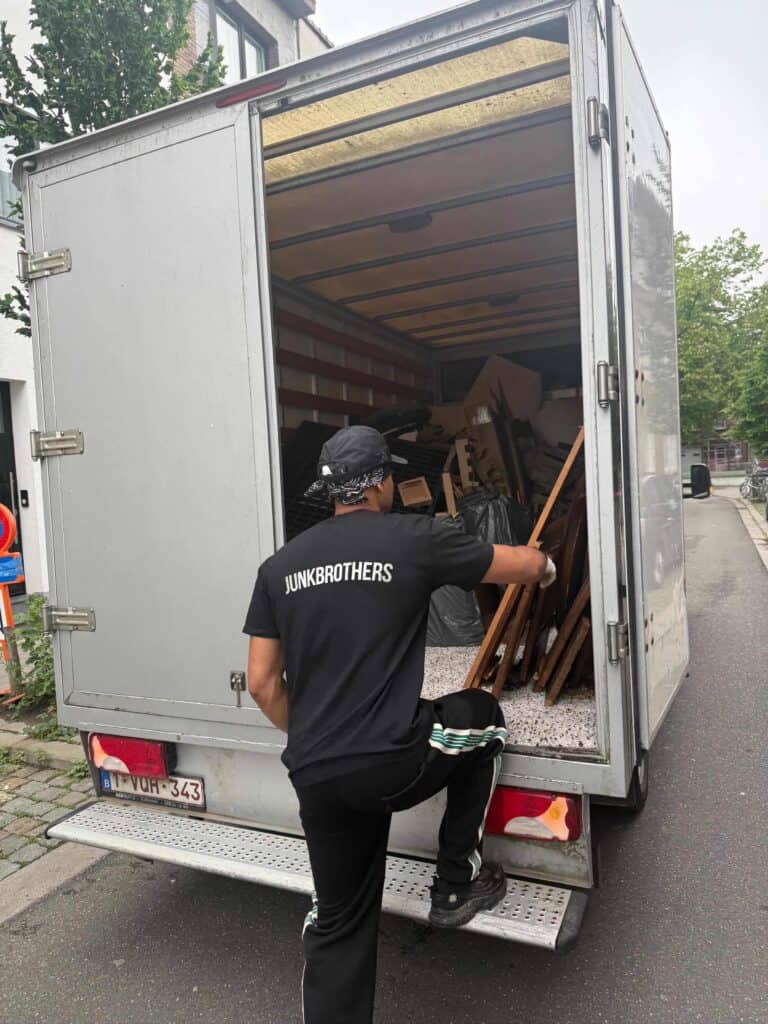
We clear out homes on behalf of heirs, notaries, estate administrators, and landlords, and provide a certificate of removal. Read more at eviction after death, or in our guide to How much it costs to clear out a house after a death.
8. Also keep funeral costs in mind
Even those who reject the arrangement may, in some cases, still be required to contribute to the funeral expenses. And whoever signed the contract with the funeral director remains bound by it. Case law on this matter is not unanimous; therefore, consult a notary before you pay or sign anything.
This article provides general information and does not constitute legal advice. Every situation is different: always consult a notary.
Frequently Asked Questions
How much time do I have to decide?
There is no short deadline: the right to choose does not expire until 30 years have passed. However, 3 months and 40 days after the death, creditors can force you to make a decision. So don’t wait too long, especially if a rental property needs to be vacated.
Can I still reverse a rejection?
Yes, as long as no one else has already accepted the inheritance, you can still accept it. Discuss this with the notary.
Do I have to clear out my parents' house if I've had a miscarriage?
No, not as an heir. The heirs who accept the inheritance or an administrator will handle that. In the case of a rental property, the landlord can have an administrator appointed.
Can you clear out the house for a trustee or notary?
Yes. We work on behalf of heirs, notaries, estate administrators, and landlords, with a clear upfront price and a receipt confirming removal.
Does the property need to be vacated? We work discreetly and in consultation with the notary.
- On behalf of heirs, notaries, trustees, or landlords
- A clear price upfront, based on photos or an on-site visit
- Proof of disposal for the file
- Items that are still usable are sent for reuse
Or give us a call at +32 469 63 55 62.