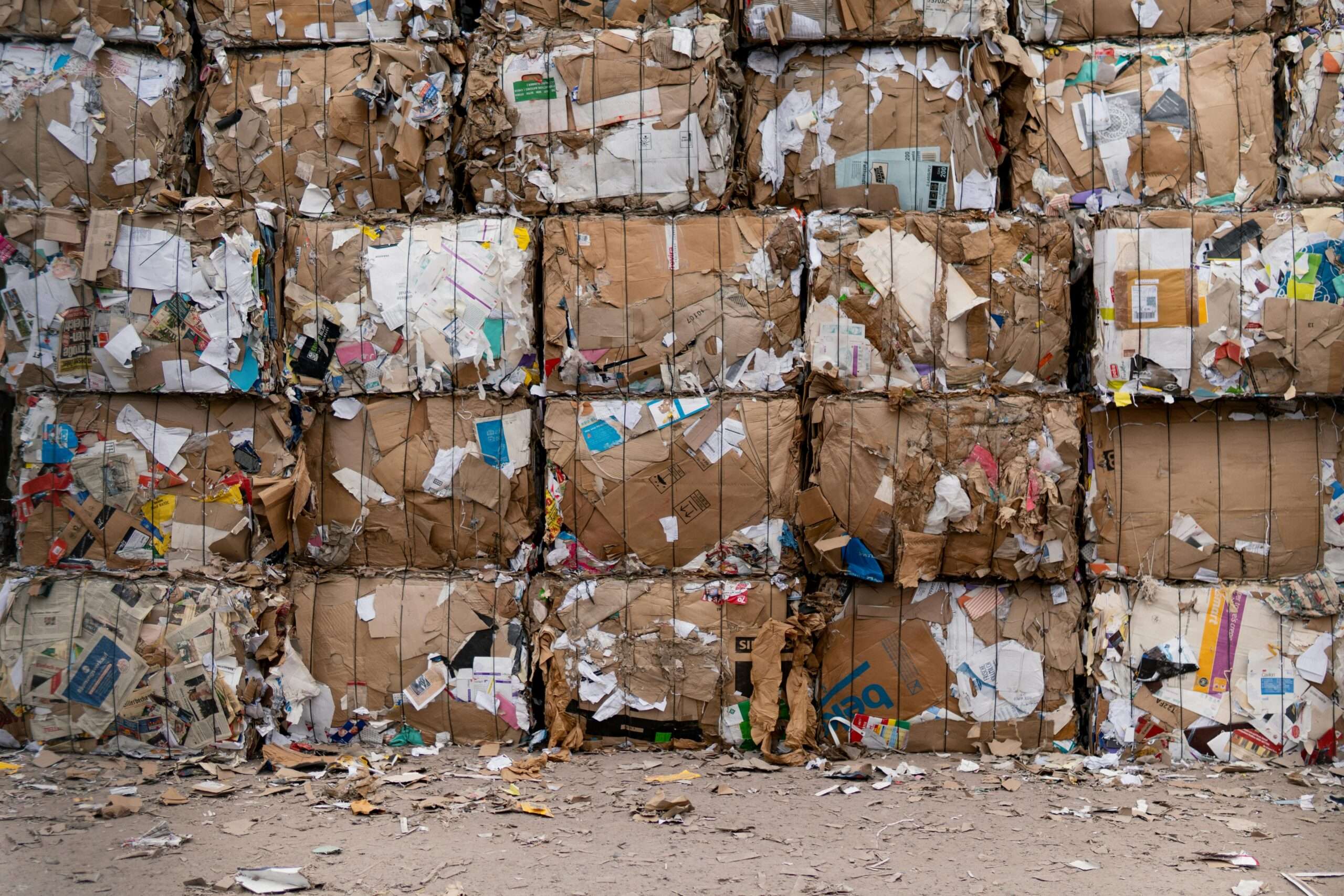
When it is time to destroy old documents, it is important to choose a method that is both safe and effective. Below we discuss the last four methods from the earlier list, with their advantages and disadvantages, and give each a rating based on effectiveness, safety and environmental friendliness.
1 Water with Chemicals
This method involves immersing documents in a mixture of water and chemicals to dissolve the paper fibers.
Disadvantages:
- May be harmful to the environment from chemical waste.
- Often illegal Because of the chemicals used.
- Remnants of documents can sometimes still be recognizable.
Advantages:
- Can be effective for small amounts of paper.
Our review: 3/10

2 Combustion
Incineration is a quick method of destroying large amounts of paper.
Disadvantages:
- Not environmentally friendly; produces CO2 and other harmful gases.
- In many regions illegal because of emissions and fire hazards.
Advantages:
- Very fast processing of large quantities.
Our review: 4/10
3 In-house Destruction
Use of an office paper shredder for on-site document destruction.
Disadvantages:
- Time-consuming with large quantities.
- Not always effective; documents can sometimes be reconstructed.
Advantages:
- Direct control over the destruction process.
- No need to take documents outside the company.
Our review: 6/10
4 Professional Destruction Services: JunkBrothers
A service that specializes in the safe and compliant destruction of documents.
Disadvantages:
- May incur costs depending on quantity and frequency of destruction.
Advantages:
- Highly secure; offers certified destruction and an official certificate.
- Complies with all relevant laws and regulations.
- Suitable for both small and large volumes.
Our review: 9/10
Choosing a destruction method depends heavily on your specific needs, such as the amount of material to be destroyed, data security requirements and environmental impact. For most organizations and situations, we recommend professional destruction services such as JunkBrothers because of their high security standards and regulatory compliance.