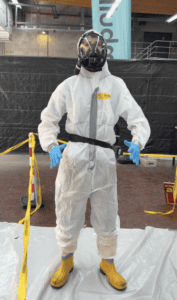
Did you know that mold spores in your home can be harmful to your health and structurally damage your home? Mold on walls is not only an aesthetic problem, but also a sign of underlying moisture issues. Fortunately, you can often tackle small mold spots yourself. But when the situation becomes more serious, professional help is needed.
In this blog, you will discover:
- What mold is and why it grows.
- How to prevent mold growth.
- Step-by-step DIY methods to safely remove mold.
- When you JunkBrothers engages for a professional approach.
1 Why does mold grow on walls? (And how do you recognize it quickly?)
Mold grows in damp and poorly ventilated spaces. It arises from a combination of three factors: moisture, warmth, and a food source, such as paint or wallpaper on walls. Bathrooms, basements, and poorly insulated walls are often the culprits.
Common causes of mold on walls are:
- Moisture problems Leaking pipes, rising damp, or condensation.
- Poor ventilation Lack of fresh air causes moisture buildup.
- High humidity When the humidity in the house is above 60%.
How to recognize mold?
Mold often looks like black, green, or white spots on walls. It is accompanied by a musty odor and can even cause paint or wallpaper to peel off.

2 Why should you take mold seriously?
Mold is not only unsightly but can also have serious consequences for your health and your home:
Health risks of mold
- Allergies and respiratory problems: Mold spores can cause sneezing, itchy eyes, and skin irritation.
- Asthma and lung problems: People with asthma or a weakened immune system are at increased risk.
- Toxic mold species: Such as black mold (Stachybotrys chartarum), which can cause serious complaints.
Damage to your house
- Structural damage Mold can affect walls, ceilings, and even load-bearing structures.
- Musty smell This is difficult to remove and can reduce the enjoyment of living there.
3 How to prevent mold in your home
Prevention is better than cure. With these simple measures, you can keep your walls free of mold:
- Ventilate regularly.
- Open windows and doors daily.
- Use fans or an exhaust hood in damp areas like the bathroom and kitchen.
- Control the humidity
- Keep the humidity below 60% with a hygrometer.
- Use a dehumidifier in damp rooms.
- Repair moisture problems quickly
- Fix leaks, check your gutters, and prevent rainwater from seeping down the walls.
- Clean regularly
- Clean shower tiles and grout with an anti-mold agent.
- Dry wet surfaces immediately.
4 Removing Mold: A Step-by-Step DIY Guide
Did you discover mold after all? Don't panic. With the right approach, you can remove small mold spots yourself.
Step 1: Protect yourself
Mold spores can be harmful. Wear:
- Gloves.
- Safety glasses.
- A face mask (FFP2 or FFP3)
Ventilate the room well by opening windows or using a fan. Cover furniture and floors with plastic sheeting or old cloths.
Step 2: Use natural remedies
For small mold spots, natural solutions are often sufficient.
With vinegar:
- Fill a spray bottle with undiluted white vinegar.
- Spray it on the mold spot and let it sit for an hour.
- Wipe clean with a damp cloth.
With baking soda:
- Mix 1 teaspoon of baking soda with 1 liter of water.
- Spray it on the mold spot, scrub gently, and wipe clean.
Step 3: Use commercial products (if necessary)
If natural remedies don't work, you can use a commercial product such as:
- HG Mold Remover: Suitable for walls and joints.
- 123Schoon Brand Mold Remover: Specifically for damp areas such as bathrooms.
Please note: Always read the instruction manual and wear protective clothing.
Step 4: Clean and dry everything thoroughly
Use a soft brush or microfiber cloth to clean the spot. Make sure the wall is completely dry after cleaning. Use a fan or dehumidifier to speed up drying.
Step 5: Prevent regrowth
Treat the spot preventatively with an antifungal agent or vinegar.
Check for and resolve moisture issues.
When do you call JunkBrothers?
Sometimes the problem is too big to handle on your own. These are situations where it's better to seek professional help:
- Large areas: If the mold stain is larger than 1 m².
- Persistent mold When the mold keeps coming back despite cleaning.
- Underlying moisture problems: Like rising damp, leaks, or structural problems.
JunkBrothers' experts offer a safe and thorough approach. We not only remove the mold but also resolve the cause of the problem.
Conclusion: Make your home healthy and mold-free again
Mold on walls can be harmful, but with the right preventive measures and DIY methods, you can solve minor problems yourself. Always ensure safe practices and address the root cause of the problem to prevent regrowth.
Does the problem persist? Or are you dealing with a large and stubborn case of mold? Then contact JunkBrothers. We ensure that your home becomes a healthy and safe place again.
👉 Contact us today and let your walls shine again!