The kids have been living on their own for a long time, climbing the stairs is getting harder, and the yard requires more work than you’d like. Many people in their sixties trade their house for an apartment, an assisted-living home, or a room in a nursing home. The hardest part is often not the move itself, but making the choice: what do you take with you from a house full of memories, and what do you leave behind?
In this article, you'll learn how to do this step by step, either on your own or together with your children.
In short: Start well in advance, measure the new home, and first choose the items you use every day and the ones you’re truly attached to. Ask your family in advance what they want, sell or give away anything that’s still in good condition, and have the rest picked up all at once. Allow a few weeks for a full house.
1. Start with the new home, not the old one
Measure the rooms in your new home, or ask for a floor plan. Sketch out which pieces of furniture will fit. An apartment or assisted-living unit is usually much smaller than your house, and a room in a nursing home is even smaller. Find out what’s already there—such as a bed or a closet—and what you’re allowed to bring with you.
That way, you'll know right away how much space you have, and you can choose based on what fits rather than what you want to keep.
2. Sort by room into four piles
Work your way through the house room by room. Start with the spaces you use the least, such as the attic, the basement, or the guest room. Those are the least emotionally attached, so that’s a good way to get started. Divide everything into four piles:
- What to bring: the things you use every day and that you really care about.
- For the family: what the children or grandchildren would like.
- Sell or give away: things that are still in good condition but can no longer be used.
- Road: anything that is worn out or broken.
Not sure? Take a photo of the item. You can preserve a memory even without the item itself. You can have old photos and slides digitized, so they won't take up any space anymore.
3. What should you bring?
- your favorite armchair or chair, and your own bed, if that works for you
- photos, paintings, and small items that make the new home feel like home
- one set of everyday items: one set of dishes, one set of pots and pans
- Clothing for all seasons, but not everything
Leave behind the extra kitchen items, the large cabinets, and the things you keep "for when guests come over." In a smaller home, space is more important than having a stockpile.
4. Involve the family, and set a deadline
Ask your children and grandchildren in advance what they'd like, and set a date for them to come pick it up. Put a sticker with their name on whatever they choose. That way, you'll avoid arguments later, and nothing will be left sitting around "for a little while longer.".
Are these valuable items, such as jewelry, art, or antiques? If so, ask a notary for advice on how to divide them fairly or make a gift of them.
5. Sell or Give Away
- Sales: through 2dehands.be or Facebook Marketplace. Don't count on old furniture bringing in much money: heavy wardrobes and living room sets from the past are often hard to sell.
- The Thrift Store: is happy to accept usable items. Please contact them first, as whether they will come to pick something up depends on the items and the situation. More info at kringwinkel.be.
- Clubs and neighbors: A youth organization, a school, or a neighborhood group can often use tools, patio furniture, or books.
6. Have the rest picked up all at once
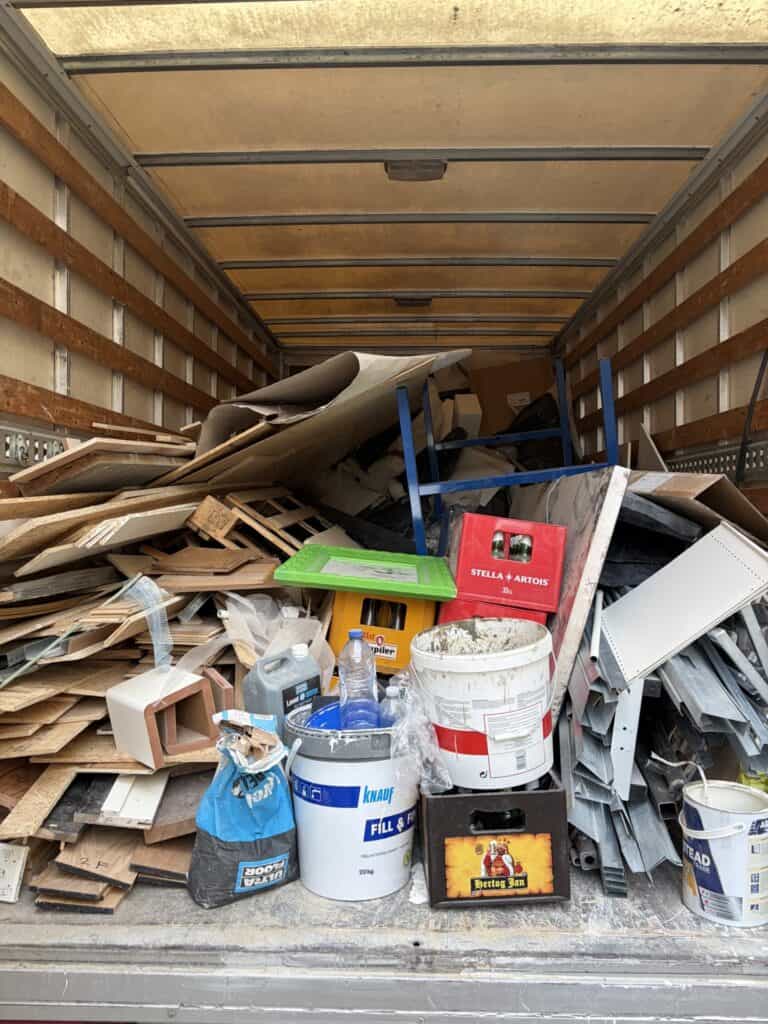
Once you’ve made your selection, the rest can be taken away all at once. We’ll pick up everything that’s left in a single day: from the attic to the basement and the yard. Reusable items go to recycling centers, and the rest goes to certified processing facilities. That way, your kids won’t have to spend weeks driving a trailer to the recycling center. To move the items you’re taking with you, hire a moving company.
Will the house be sold afterward? If so, be sure to read our article about Handing Over a Sold Home Vacant. Is your father or mother moving into a nursing home? If so, be sure to check out our service for a room in a residential care facility.
7. Here's how to plan it
- 8 to 6 weeks in advance: Measure the new house, let the family choose, and start with the attic and basement.
- 4 weeks in advance: Sell or give away items, make an appointment with the Kringwinkel, hire a moving company, and request a quote for the cleanup.
- The last week: Pack boxes with the items you're taking with you, and clearly mark what's staying behind for pickup.
- After the move: Have the old house cleared out and, if necessary, cleaned.

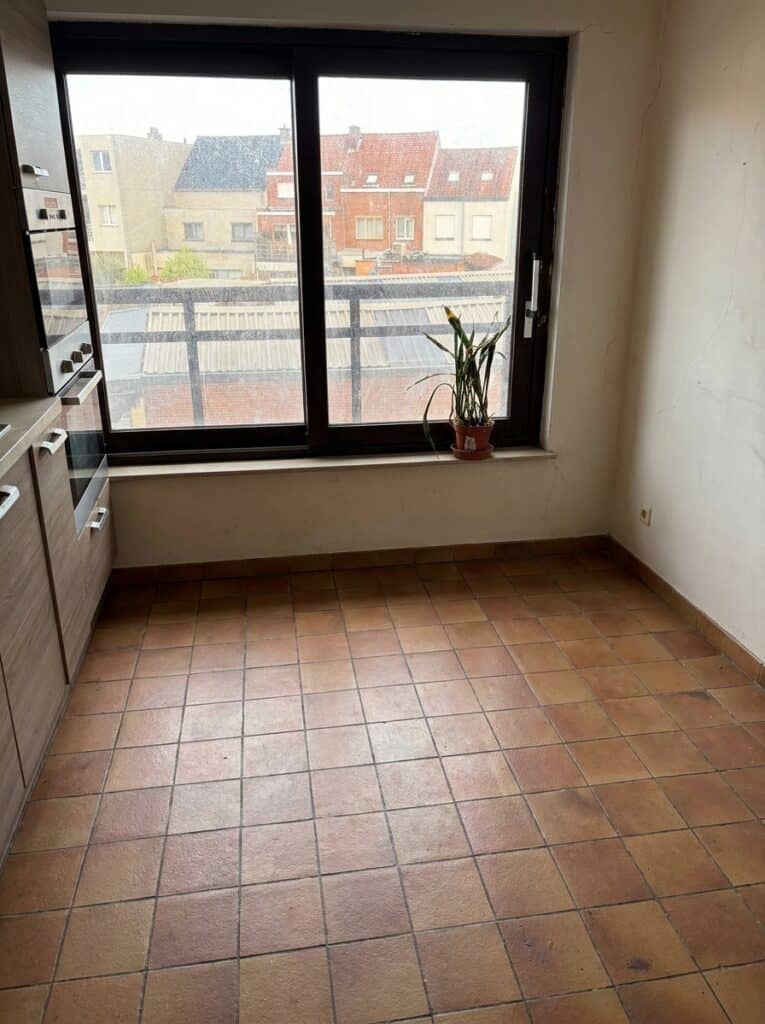
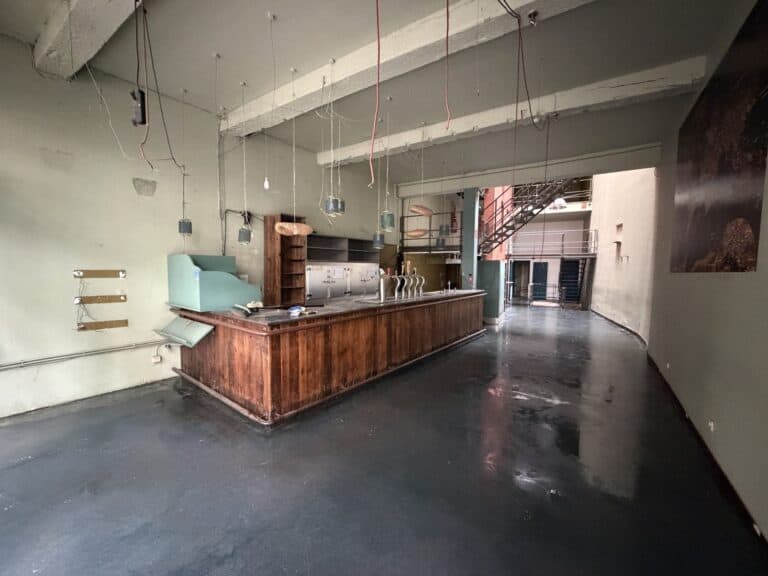
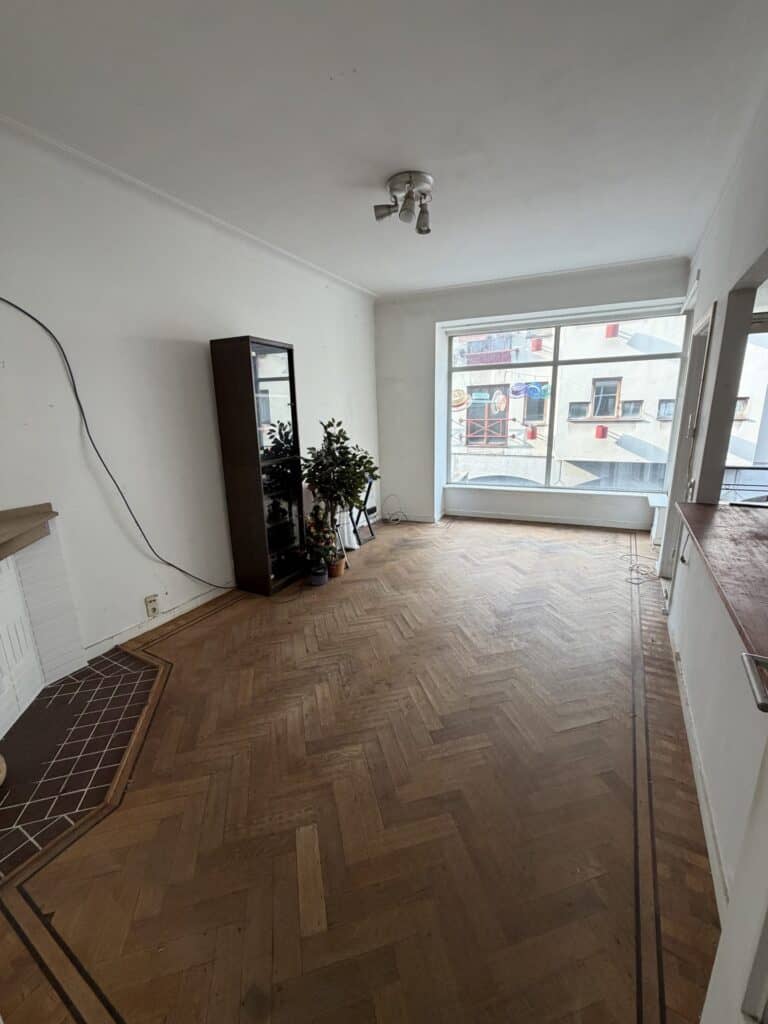
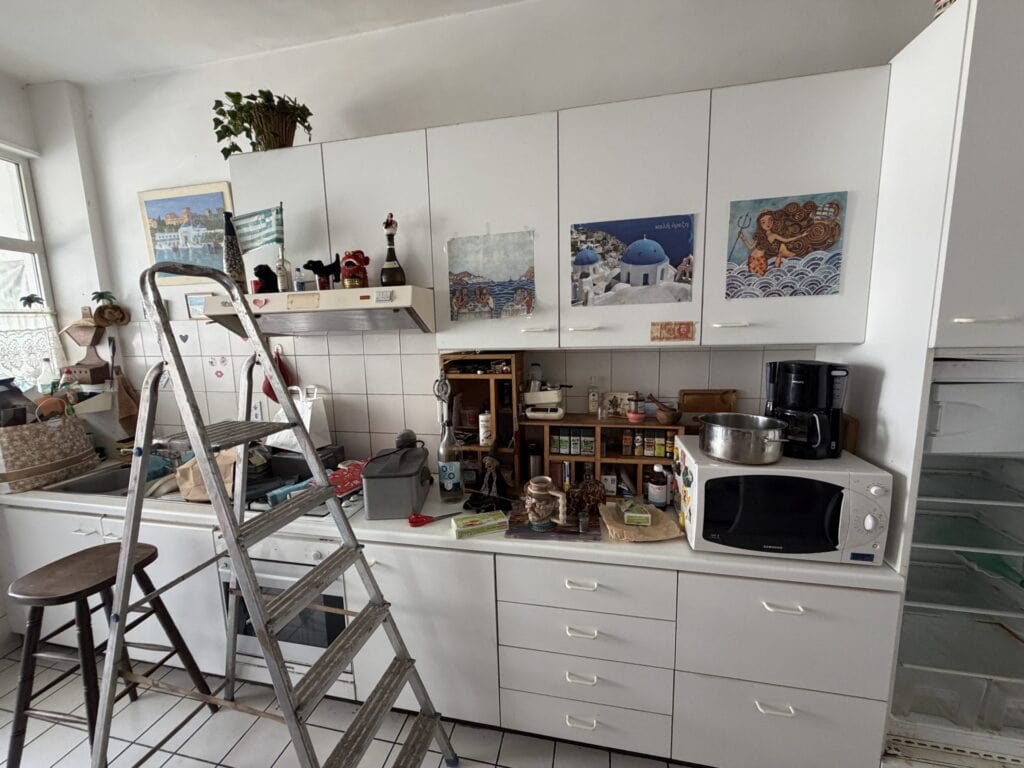
Before and after: an apartment we cleared out.
Frequently Asked Questions
How much time should I set aside?
For an entire house, it’s best to allow a few weeks for sorting and storing items. The move-out itself usually takes just one day.
My parents don't want to get rid of anything. How should I handle this?
Start with the new home: when you measure together to see what fits, it becomes clear that not everything can come along. Let your parents choose for themselves what to bring, and take photos of what’s left behind. Give it time: sorting through a lifetime’s worth of belongings is hard.
Can you guys come by only after the move?
Yes. That's often the most convenient way to schedule it: first, you move the items you're taking with you, and then we'll pick up the rest in a single day.
How much does it cost to have the rest picked up?
That depends on the volume. Check out our suggested prices by size on the prices page, or send photos to get a custom quote.
Moving to a smaller place? We'll clear out the rest—all in one day
- Pickup of everything left behind, from the attic to the basement
- Usually done in one day
- Items that are still usable are sent for reuse
- A clear price upfront, based on photos or an on-site visit
Or give us a call at +32 469 63 55 62.